
Accredited Investors, Family Offices, & High Net Worth Individuals Looking For Real Estate Backed Income...
Discover How To Earn 5x-7x Equity Multiple with Senior Housing Real Estate...
All Without Paying New Construction Prices Or Running A Care Facility Yourself
How This Works

Our Partners

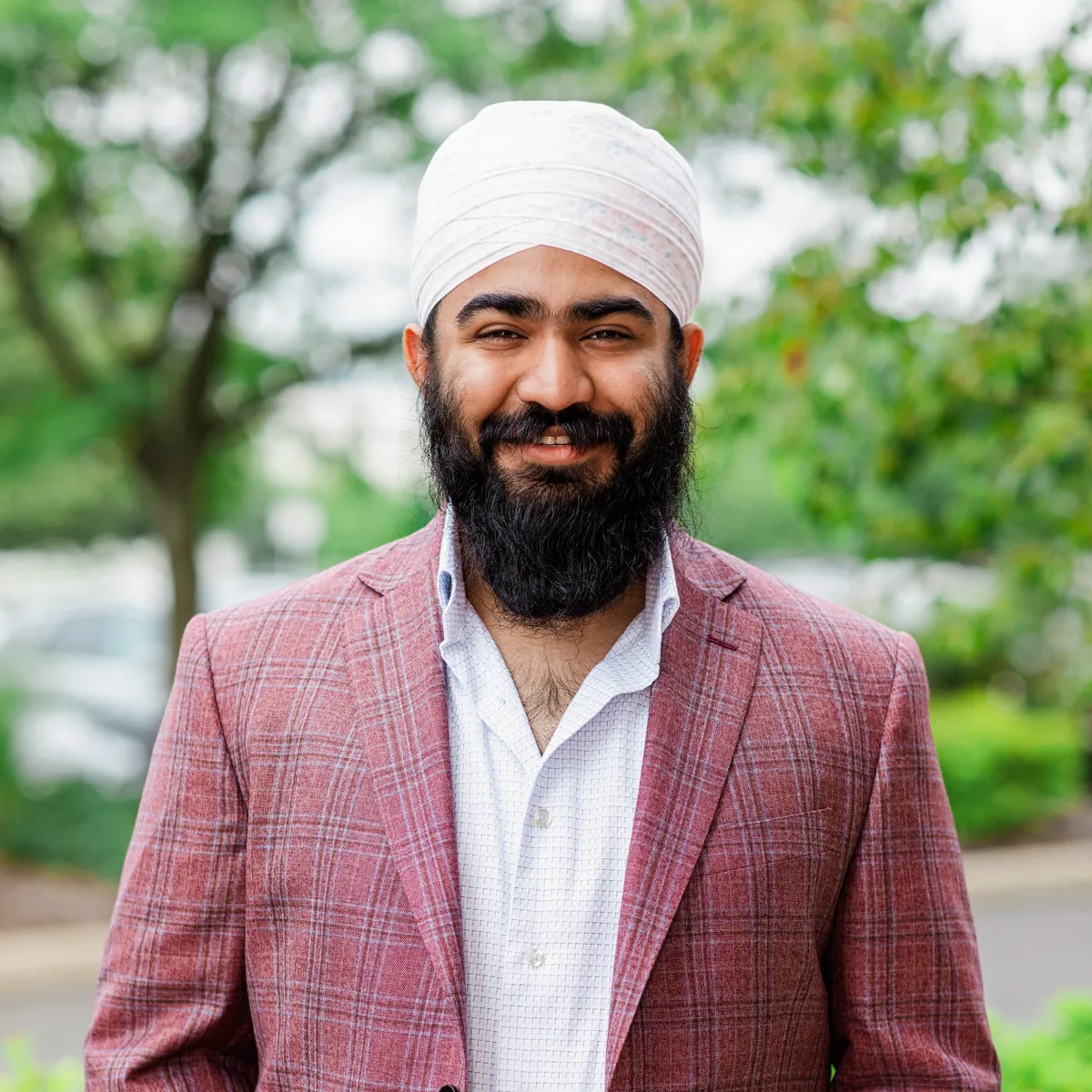
"By 2035, America will need roughly 100,000 new senior housing units a year, and developers are building about 14,000. We're not trying to build our way into that gap. We're buying boutique communities that already exist, for a fraction of replacement cost, and fixing what the previous owners couldn't. That's where the real upside lives..."
- Gurjote Singh Sethi, Managing Partner
"INSERT TESTIMONAIL QUOTE OR NEWS ARTICLE DIRECT QUOTE IF POSSIBLE. IF NOT DELETE THIS SECTION"

Top Publications We Are Featured In
Frequently Asked Questions
What Exactly Does Senior Housing Fund I Invest In?
The fund acquires 4 to 5 boutique assisted living, memory care, and independent living communities (roughly 200 to 250 units total) in growing suburban markets. We target facilities that are operating below their potential, typically around 75 to 80% occupancy with bloated expenses, and we buy them at a steep discount to what it would cost to build new.
Who Actually Runs The Facilities Day To Day?
We partner with Main Street Senior Living, an established operator that has managed over $2B in senior housing assets across 17 states. Their playbook covers occupancy growth, referral networks, staffing, dining, and resident experience. They're financially tied to our results, and we maintain backup operator relationships at all times.
What's The Minimum Investment And How Does The Preferred Return Work?
The minimum is $50,000. Investments of $100,000 or more receive a 7% preferred return, and investments from $250,000 to $2M receive a 10% preferred return. A preferred return means LPs are first in line for distributions up to that rate before the general partner participates in profits.
How Long Is My Capital Committed?
The fund is designed around a roughly 10 year business plan: acquisitions in Year 0, stabilization in Year 1, growing distributions through Years 2 to 9, and a planned portfolio sale to an institutional buyer around Year 10. Distributions are targeted to begin after stabilization, though timing and amounts are not guaranteed.
What Are The Fees?
Hukam Capital charges a 1% acquisition fee, a 2% management fee based on facility revenue, and a 20% promote (the general partner's share of profits above the preferred return). Full details are outlined in the offering documents.
What Happens If Occupancy Drops, Like It Did During COVID?
It's a real risk and we plan for it. We target assets that already cash flow at acquisition, pursue long-term fixed-rate HUD financing so we're never forced to refinance at a bad time, and build our model around local referral relationships that tend to recover faster than big national operators. The bigger picture helps too: the 80+ population is projected to outpace new supply for at least the next decade.
FILL OUT THIS SHORT FORM (1-2 MIN) &
Schedule Your Call Now